

Camping can be an exciting escape from the daily grind, especially for beginners looking to connect with nature. However, planning your first weekend camping trip can feel overwhelming if you’re not sure where to start. From choosing the right gear to selecting the perfect campsite, there are several key steps to ensure your adventure is safe, enjoyable, and stress-free. In this guide, we’ll walk you through everything you need to know to plan your very first camping experience.
1. Decide on the Type of Camping
Before packing your bags, consider what kind of camping experience you want. Are you planning a rustic adventure in a national park or a more comfortable trip in a campground with amenities? The type of camping you choose will influence your gear, preparation, and itinerary.
Backpacking camping: Requires more preparation, as you carry all your gear in a backpack. This type is more advanced and may be better for your second or third trip.
Tent camping: Traditional camping in a tent provides an authentic outdoor experience. Make sure to pick a tent suitable for beginners; lightweight, easy-to-set-up tents are ideal. You can find some recommended gear in our Top 10 Camping Gear You Must Have guide.
RV or car camping: Offers more comfort and protection from the elements, ideal if you prefer a less rugged experience.
2. Choose Your Campsite
Selecting the right campsite is crucial, especially for your first trip. Consider the following:
- Proximity: Choose a site that is not too far from home for your first weekend trip. A drive of 2–3 hours is ideal to minimize travel stress.
- Amenities: Decide whether you want access to restrooms, water sources, and picnic tables. Beginner campers often find campgrounds with basic facilities more convenient.
- Terrain: Flat, dry ground is essential for setting up tents. Avoid areas prone to flooding or excessive rocks.
- Regulations: Check campsite rules regarding campfires, pets, and noise. Knowing these in advance prevents surprises.
By carefully choosing your campsite, you can set yourself up for a more relaxed and enjoyable experience.
3. Make a Packing List
Packing the right gear is one of the most important steps in planning your first camping trip. Missing essential items can turn an exciting trip into a frustrating experience. Beginners should focus on gear that is practical and easy to use.
Some basics include:
- Tent and sleeping bag: Essential for shelter and warmth. A lightweight, easy-to-assemble tent is perfect for first-timers. Refer to our Top 10 Camping Gear You Must Have for detailed recommendations.
- Cooking equipment: Portable stove, fuel, cookware, and utensils. Don’t forget a lighter or matches.
- Food and water: Plan meals in advance and pack extra snacks. Carry sufficient water or a reliable water filtration system.
- Clothing: Dress in layers for varying temperatures. Don’t forget rain gear and sturdy shoes.
- Safety items: First aid kit, flashlight/headlamp, insect repellent, and a whistle.
Creating a checklist ensures that nothing is forgotten and helps reduce stress before departure.
4. Plan Your Meals
Food is a central part of any camping experience. Planning your meals ahead of time helps avoid unnecessary trips to the store and ensures everyone stays nourished and energized.
- Breakfast: Instant oatmeal, granola bars, or eggs cooked on a portable stove.
- Lunch: Sandwiches, wraps, or salads that are easy to prepare and transport.
- Dinner: Foil packets with meat and vegetables, or pasta dishes are great options.
- Snacks: Trail mix, fruit, or energy bars keep you fueled between meals.
Don’t forget to bring a cooler if you plan on carrying perishable items, and pack all food securely to avoid attracting wildlife.
5. Prepare for Safety
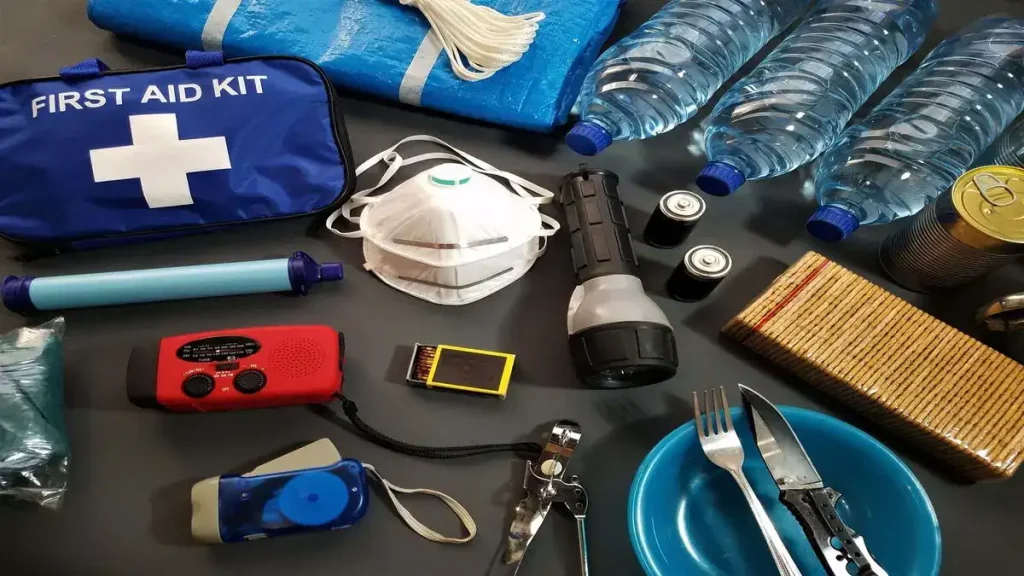
Even a short weekend trip requires careful attention to safety. Beginners should take extra precautions:
- Know the weather: Check the forecast and pack accordingly.
- Inform someone: Let a friend or family member know your plans, including campsite location and expected return time.
- First aid kit: Include bandages, antiseptic, pain relief, and any personal medications.
- Navigation tools: Maps, compass, or a GPS device to avoid getting lost.
- Emergency contacts: Keep a list of park rangers or local authorities in case of emergencies.
Our Camping 101: A Complete Beginner’s Guide provides more in-depth advice for first-time campers to stay safe and confident outdoors.
6. Plan Activities
Having a rough plan of activities ensures you make the most of your trip. Consider:
- Hiking: Research nearby trails suitable for beginners.
- Fishing: Check if permits are needed.
- Campfire activities: Stories, songs, or marshmallow roasting.
- Photography or journaling: Capture memories and reflect on your outdoor experience.
Remember, it’s okay to leave downtime for relaxation—overplanning can sometimes reduce the enjoyment of being in nature.
7. Set Up and Practice
If possible, practice setting up your tent and cooking equipment at home before the trip. This saves time and reduces stress once you arrive at the campsite. Familiarity with your gear makes your first camping experience smoother and more enjoyable.
8. Leave No Trace
Environmental responsibility is crucial. Teach yourself these principles:
- Pack out all trash.
- Avoid disturbing wildlife.
- Use established trails and campsites.
- Minimize campfire impact.
Following these guidelines ensures the natural environment remains pristine for future campers.
9. Checklists and Final Preparations
Before leaving for your trip:
- Verify all gear and supplies are packed.
- Double-check campsite reservation (if required).
- Ensure your phone and navigation tools are charged.
- Reconfirm the weather forecast.
Being prepared reduces surprises and allows you to focus on enjoying your weekend in nature.
10. Enjoy Your First Camping Experience
With careful planning and the right mindset, your first weekend camping trip can be a rewarding adventure. Remember, the goal is to connect with nature, relax, and learn. Don’t worry about perfection; every trip teaches valuable lessons for the next one.
By following these steps and referring to our guides on Top 10 Camping Gear You Must Have and Camping 101: A Complete Beginner’s Guide, you’ll set yourself up for a safe, fun, and memorable experience in the great outdoors.
Leave a Reply